

Reverse Energy Drain With healthy Foods
- Drink enough water
- Fall in love with salads
- Monitor gluten or lectin sensitivity
- Eat good fats
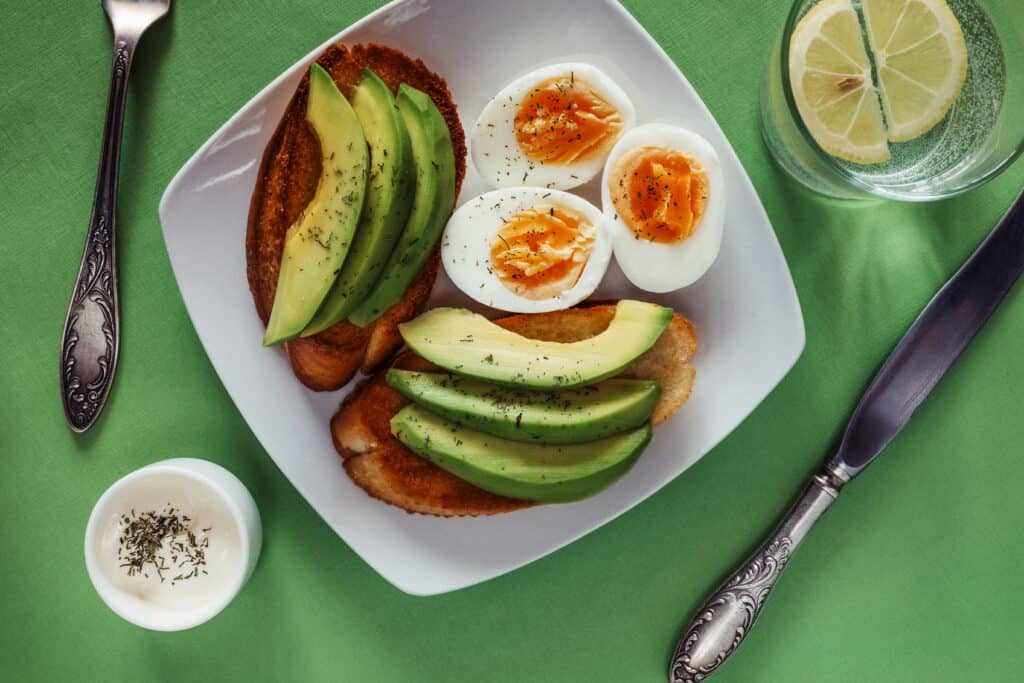
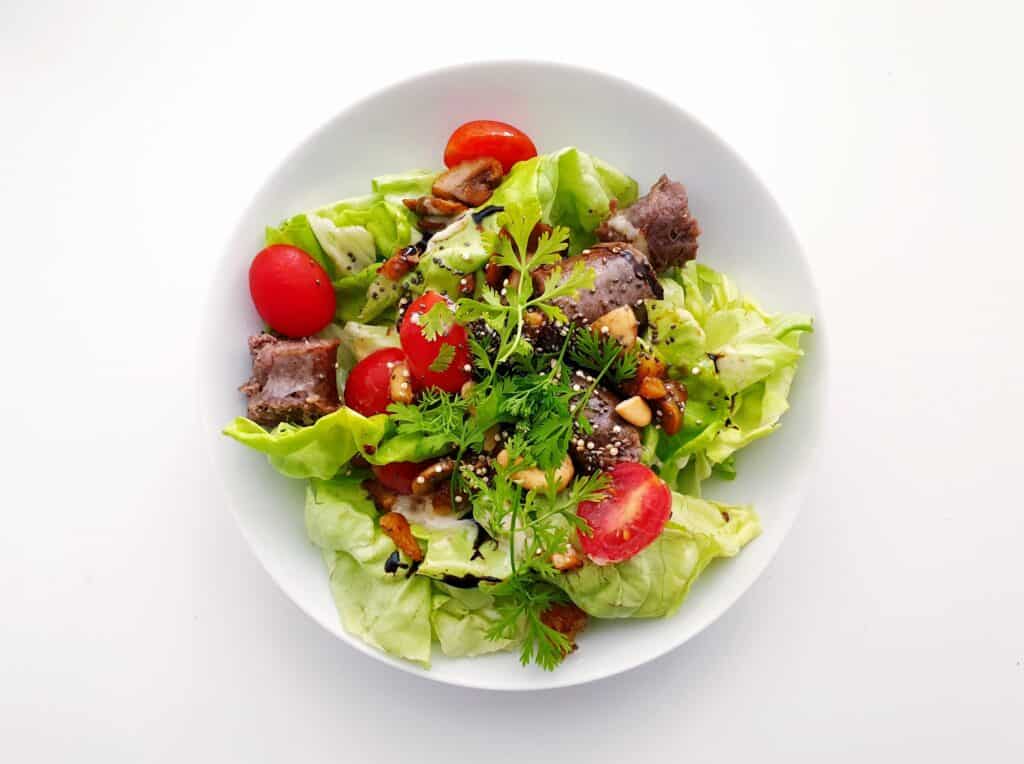
The body is the most amazing renewable resource, and then one day, it starts to slow down. Older people realize before everyone else that our spare parts need tender loving care. Consider cars. I don’t believe the hype about them needing premium gas to keep repair costs down. However, the body is a different. It needs premium fuel. Have I done a study to prove this? No. But the older I get, the more I regret not giving my body its premium fuel.
Research studies and social experiments prove I am on the right track. The early 2000s documentary Super Size Me and the subject of the documentary, Morgan Spurlock, comes to mind. Morgan Spurlock’s biomarkers changed as he progressed through the experimentation period, eating McDonalds for every meal. Critics of the movie say the weight gain could have happened because Spurlock stopped exercising during the period. It doesn’t matter. His new fatty liver diagnosis surprised even his doctors. Back then, in 2004, Chloe Veltman, writing an article in the British Medical Journal, could see the benefits of this early reality show. While the movie is over the top:
It might just about be the best way of persuading teenagers to swap their lunchtime bag of chips for a wholewheat salad sandwich and a bag of mini-carrots.
Almost twenty years later, we are still trying to shock ourselves into eating better. Those teens Veltman discussed are now heading into their 40s and middle adulthood. It’s highly probable their bodies are giving them signals, subtle or otherwise, to make changes.
Eat a balanced diet
The proverbial billboard in today’s culture is: Eat a healthy diet that is rich in fruits, vegetables, whole grains, and lean protein to reduce inflammation and boost energy. Finding nutrient- dense food is now the key strategy. The CDC puts it this way, “think of eating the rainbow,” and it’s not talking about rainbow cereal:
Dark, leafy greens, oranges, and tomatoes—even fresh herbs—are loaded with vitamins, fiber, and minerals. Adding frozen peppers, broccoli, or onions to stews and omelets gives them a quick and convenient boost of color and nutrients (CDC.Gov, Internet).
The Dietary Guidelines For Americans, 2020-2025 is a hefty publication providing comprehensive eating plans for all stages of development, from babies to the elderly. Table 4.1 (Dietary Guidelines, Pg 96) has a breakout of daily and weekly serving suggestions for all food groups. The publication highlights problem areas such as hydration and emphasizes protein, Vitamin D and B12, calcium and potassium as nutrients that will be “underconsumed” in the age group 60 years and older. We can plan better with this kind of knowledge.
Remember Vitamin D
The body has to have a way to make Vitamin D for its many chemical processes. If you live at certain latitudes above or below the equator and don’t get sun, consulting with a medical professional and taking supplements are most likely necessary. Some cultures get Vitamin D from fish oil, and some people have to take other sources. Dr. Kevin Pho, on his popular blog KevinMD.com says:
High-dose vitamin D supplementation needs to be assessed in the elderly, obese, dark skin, and those living at higher latitudes. Thirty-five degrees North appears to be the latitude above which people do not receive sufficient sunlight to retain adequate Vitamin D levels during winter. (KevinMD.com, Internet)
As we get older, there is a danger of sitting inside and away from the sun to conserve energy. We need to do the opposite. On the other hand, the plethora of sunscreens on the market signal a fear of skin cancer. A 2018 Harvard Health article calms that fear somewhat. It suggests that no studies have confirmed that sunscreens block the skin’s ability to absorb sunlight (Harvard Health 2018, Internet).
include healthy fats in your diet
Based on the results of the “Nurses Health Study” following 68,786 women over 30 years, the American Heart Association now champions the addition of avocado to the daily meals at least 2 servings per week (American Heart 2022, Internet). The study’s participants ate at least 1 cup of avocado per week and saw their risk of cardiovascular disease lower by “16%.” It turns out avocado is a good fat because it’s monounsaturated and is great at keeping cardiovascular disease down:
Monounsaturated fats are the hallmark of the oft-recommended Mediterranean diet, which includes fruits, vegetables, grains, beans, fish and plant-based fats such as olive, canola, sesame and other non-tropical oils. (Heart.Org, Internet)
Monounsaturated fats help lower LDL, one of the bad boy cholesterols in our body. Omega-3 is a polyunsaturated fat found in fish, nuts and seeds. An NIH fact sheet reports Omega-3 fats are a vital component of the structure of the cell and even the cell signaling in the cardiovascular, pulmonary, endocrine, and immune systems, among other body systems:
“Omega-3s play important roles in the body as components of the phospholipids that form the structures of cell membranes [5]. DHA, in particular, is especially high in the retina, brain, and sperm [3,5,6]. In addition to their structural role in cell membranes, omega-3s (along with omega-6s) provide energy for the body and are used to form eicosanoids. Eicosanoids are signaling molecules …. (NIH Factsheets, Internet)
The factsheet delivers other surprises. The meat from grass-fed cows has more Omega-3 fats than the meat from grain-fed cows. That’s good news for beef eaters who have the budget for grass-fed beef. At the basic level, aging is the loss of integrity and function of the cell. It’s important to make sure we have these nutrients in our diet. The NIH fact sheet shows that adults, including those 51 years and older, need more fatty acids than babies. The “adequate daily intake” is 1.1 g/day for a healthy adult.
pass on the added sugar
When I was much younger, I routinely added 3-4 teaspoons of sugar to my tea. I was drinking tea several times a day. Except for a dramatic and embarrassing carpet of acne, I seemed to get by with no deleterious side effects. Then a health-conscious Samaritan opened my eyes. Not only is sugar high calorie, it causes low grade inflammation the moment it’s introduced in the body:
Excessive intake of dietary sugars can cause metabolic disorders and induce the increase of inflammatory mediators and certain pro-inflammatory cytokines in various tissues, which leads to insulin resistance and low-grade chronic inflammation. (Frontiers 2022, Internet)
I cut the sugar, cold turkey, and the acne went away. Had I known about stevia, a low-calorie sweetener, I would have had more pleasant cups of tea. Sugar lovers wanting to replace the high calorie sugar with low-calorie sweeteners should choose carefully. Apparently, not all low-cal sweeteners are benign. Redox Biology discusses NutraSweet, otherwise called Aspartame, which hasn’t held up well to scrutiny. It can cause lesions on liver cells and, ironically, high blood sugar, which is especially dangerous for diabetics:
Although the Food and Drug Administration (FDA) approved aspartame consumption, its use has been controversial as it has been associated with several adverse effects as hyperglycemia, neurologic and behavioral disturbances and hepatocellular lesions. (Redox 2017, Internet)
Inflammation speeds up the aging process. The tolerance for sugar wanes as the body ages. However, not all low-calorie sweeteners make an excellent substitute. Natural fruit in small quantities seems to be the answer.
Some grains are not wholesome
I must admit I have a romance with the side products of whole grain, namely whole grain bread and dumplings. Dishes are filling and stave off hunger. Do you need a gravy with gumption? Add some flour from one of these whole grains. The naturally occurring gluten found in rye, barley and the wheat family, such as durum, semolina, and spelt, is the magic ingredient. Sing praises about these whole grains, however, and you will get a warning about the painful digestion problems that can come from eating them. The National Institute of Diabetes and Digestive and Kidney Diseases says some of these whole grains cause gluten sensitivity in some people and they trigger the more dangerous celiac disease in others.

Celiac disease is an immune disorder affecting the lining of the small intestine where we absorb nutrients. (NIDDK Celiac, Internet) It causes a long list of symptoms and conditions, from failure to thrive in infants to bloating and infertility in adults. People with celiac have to be hypervigilant about what they drink at parties. Gluten is not destroyed in the brewing process. It’s in malt, beer, lager, ale and other brews.
Lean Protein vs Animal Fat
As we get older, we have to be careful about muscle mass. In the nursing homes, nurses and nutritionists are careful to get protein into their patients. If they don’t, wounds don’t heal. Protein is important for building and maintaining muscle mass. Of course, health experts caution against eating fatty meat, which seems to have the opposite effect. According to the Journal of Nutritional Science, fatty meat is likely to raise the HDL: “Total fat and saturated fat from ‘meat’ and dairy foods were associated with higher serum HDL-cholesterol levels” (Nutritional 2019, Internet). Although the article and study followed populations in Australia, some of the conditions are similar in the US. The article pointed out that cutting animal fat out of the diet was difficult for older adults in assisted living or nursing homes. Those adults had no control over their diet:
these guidelines can be difficult to follow by individual institutionalised older adults as they have little autonomy over food provision and preparation and the variety of lifestyle options offered. Moreover, minimal nutritional standards are not mandated so food provision is at the discretion of the provider and is, in most cases, not meeting the recommended dietary guidelines. (ibid)
Water, More Water Please

Drinking plenty of water, staying hydrated is critical for the body’s processes to work. Some medications make people unaware of their thirst levels. Unless you’ve been told by your doctor not to drink water, assume you need it. The prevailing wisdom is to drink 8 8-ounce glasses per day. One glass of water is simply not enough. The Mayo Clinic says water is the “body’s principal chemical component” (Mayo Clinic, Internet). Without adequate water, cells would not eliminate waste, our joints would have trouble moving, and our temperature would fluctuate wildly among other critical functions.
Dehydration can lead to confusion and imitating dementia in older adults. Adults are particularly vulnerable because some take medications that make them lose water or urinate too much. They also cannot sense if they are thirsty. The clinic suggests 16.5 cups per day for men and 11.5 cups per day for women. The amount can be daunting, but people should get creative. Again, know your body. If I eat even the tiniest drop of honey, it immediately switches on my “water” brain. What small, harmless action can trigger your need for water? Consider using it to increase your water intake.
Alcohol: not the best friend
The older we get, the more our bodies throw a tantrum when we drink too much alcohol. What is too much? The NIH has levels of drinking we can use to measure our intoxication. Men and women have different levels. Drinking in moderation means men consume 2 drinks per day, women 1 drink per day. A time element helps to classify binge drinking. It’s 5 drinks for men and 4 for women consumed within a two-hour period. A male heavy drinker drinks more than 14 drinks per week. A female heavy drinker drinks more than 7 drinks per week. Think of the night after the drink—the wooly mouth and the hangover, the desperate need for water, the look of the skin. These are signs of dehydration.
Drinking affects all the organs of the body. The heart muscle stretches. The liver gets cirrhosis or alcoholic hepatitis. The immune system weakens, and the pancreas gets inflamed. Drinkers can easily get pneumonia and tuberculosis. Eventually, alcohol reduces the size of the brain. No loss in brain size is helpful to me. I need every square centimeter of real estate in my head to stay in control of the rest of this incarnation.
Fermented foods’ friendly microbes
The natural supplier of friendly microbes, fermented foods are readily available in the supermarket or the local organic market. They are powerful ways to improve gut health. The journal Nutrients lists the major fermented foods as kefir, kombucha, sauerkraut, tempeh, natto, miso, kimchi and surprise, sourdough bread (Nutrients 2019, Internet). Kefir has been proven to get rid of H. Pylori bacteria, the bane of the stomach and the suspected cause of stomach ulcers. “Food components found in fermented foods, such as prebiotics and vitamins, may also exert health benefits” (ibid).
In a double-blind, randomized study, a small cohort of healthy adults ate 2 sourdough croissants and 2 croissants made from “yeast fermented wheat bread.” Then the research team examined participants to see how the gut responded to both meals. The study found that those who ate the sourdough had significantly less bloating and nausea compared to those who ate regular flour treated with brewer’s yeast. Though the study designers are reluctant to give too much praise to sourdough, patients with irritable bowel syndrome and gluten resistance have a future. They may, one day, be able to eat sourdough without getting an adverse reaction.
Cut back on Processed food
Some inventions have advanced humanity. Think of traffic lights, the printing press, telephones, microscopes, pressure cookers, and the electric bulb. Some inventions, for example, processed food, have dubious benefits. Scientific American says processed food has a long history going back thousands of years. The list includes cooking with fire, making beer, and fermenting cheese:
with the domestication of sheep and goats as early as 8000 b.c. and of cattle a millennium later, it is possible that cheese making has been going on for longer. (Scientific American, Internet)
Except for lactose intolerance and allergies to fermented food, cheese was fairly benign. Fast forward to the 20th century, where processed food like hot dogs, pork, and turkey bacon, and packaged mac and cheese loaded with preservatives, parade at eye level in the supermarket. The additives, including salt and sugar, are a threat for older adults who need to be attentive to their health. The solution is to think fresh. Cooking your own mac and cheese from scratch will eliminate some of those multi-syllable chemicals. Control salt, eliminate sugar, and add real veggies and spices. TV dinners became the rage in the 1950s and families cemented them into cultural practice. Fortunately, companies now have to disclose more content on their labels and that law gives us options as shoppers. Make a plan to see ingredients in their near natural state.
break down lectin
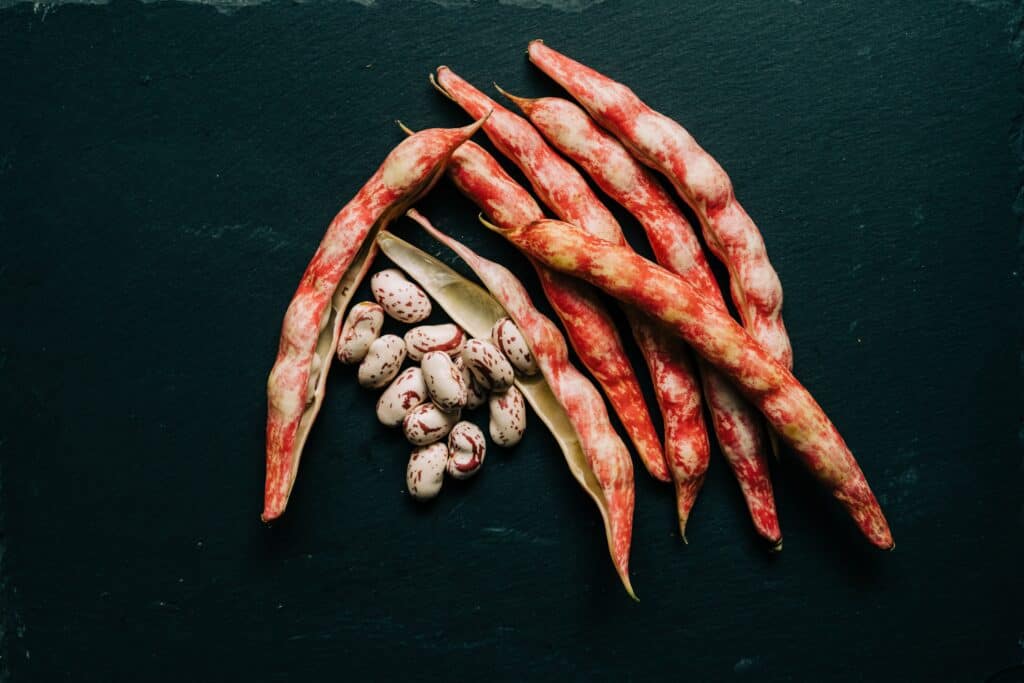
Dieticians recommend generous servings of peas, beans and veggies to keep weight down. They should mention that some of these foods should be cooked before consumption. The reason is a compound called lectin, which is found in all plants. Consider lectin as plant weaponry in an ongoing war with humans, in fact, all predators. Nature’s built-in plant protector is not good for our digestive system. Harvard’s Nutrition Source describes lectin as:
proteins that bind to carbohydrates. The same features that lectins used to defend plants in nature may cause problems during human digestion. They resist being broken down in the gut and are stable in acidic environments, features that protect lectin-containing plants in nature (Harvard Health 2023, Internet)
Lectin, which is implicated in leaky gut syndrome, slow digestion, and inflammation, “interfere(s) with the absorption of minerals, especially calcium, iron, phosphorus, and zinc” (ibid). Even almonds have lectins hiding in the nutty brown covering on the seed. An easy solution exists for peas and beans. Per physician Dr. Steven Gundry, soaking, boiling and pressure cooking will break down the lectin. (Andromede.Com, Internet) Canned beans come highly recommended because the beans are subjected to high pressure in the canning process. Incidentally, the jury is out on whether or not pressure cooking can remove the high lectin content from oats. Dr. Gundry says it’s not possible. That’s quite a disappointment, as I love oats and will continue to research ways to remove the lectin from it.
eat nutrient-dense foods
Finally, a leafy green spinach salad will deliver more vitamins and minerals to you than a meal where the spinach has been cooked to the death. Study the vitamins in some foods and see what compromises the delivery of those vitamins. Heat destroys many nutrients. Canned food loses vitamin B and vitamin C in the process of canning. So don’t expect to supplement for vitamin C with canned peaches or oranges. This is another opportunity for adults, still in control of their daily living, to slow down the aging process. This article is only a short list. Download the Dietary Guidelines for Americans from DietaryGuidelines.Gov to find learn more.
References
American Heart Association. (January 2023). Eating an avocado once a week may lower heart disease risk. https://www.heart.org/en/news/2022/03/30/eating-an-avocado-once-a-week-may-lower-heart-disease-risk (Retrieved May 4, 2023).
Centers for Disease Control and Prevention. (2023, March 8). Healthy eating for a healthy weight. Centers for Disease Control and Prevention. <https://www.cdc.gov/healthyweight/healthy_eating/index.html> (Retrieved May 4, 2023.
Dietary Guidelines for Americans, 2020-2025 and Online Materials | Dietary Guidelines for Americans. (n.d.). Current dietary guidelines. <https://www.dietaryguidelines.gov/resources/2020-2025-dietary-guidelines-online-materials> (Retrieved May 4, 2023).
Dimidi E, Cox SR, Rossi M, Whelan K. August 2019. Fermented Foods: Definitions and Characteristics, Impact on the Gut Microbiota and Effects on Gastrointestinal Health and Disease. Nutrients. 2019 Aug 5;11(8):1806. doi: 10.3390/nu11081806. PMID: 31387262; PMCID: PMC6723656. <https://www.ncbi.nlm.nih.gov/pmc/articles/PMC6723656/#> (Retrieved April 30, 2023).
Finamor I, Pérez S, Bressan CA, Brenner CE, Rius-Pérez S, Brittes PC, Cheiran G, Rocha MI, da Veiga M, Sastre J, Pavanato MA. April 2017. Chronic aspartame intake causes changes in the trans-sulphuration pathway, glutathione depletion and liver damage in mice. Redox Biology. 2017 Apr;11:701-707. doi: 10.1016/j.redox.2017.01.019. Epub 2017 Feb 1. PMID: 28187322; PMCID: PMC5300302. <https://www.ncbi.nlm.nih.gov/pmc/articles/PMC5300302/> (Retrieved May 3, 2023).
GundryMD.Com. Article Undated. 5 Ways to Remove Lectin From Your Favorite Foods. https://gundrymd.com/remove-lectins/ (Retrieved May 12, 2023)
Harvard Health Publishing. May 17, 2018. 9 things that can undermine your vitamin D level. Health Beat. <https://www.health.harvard.edu/healthbeat/9-things-that-can-undermine-your-vitamin-d-level#> (Retrieved May 4, 2023).
Harvard T. H. Chan School of Public Health. (n.d.) Lectins. The Nutrition Source. (2023, February 2). <https://www.hsph.harvard.edu/nutritionsource/anti-nutrients/lectins/#> (Retrieved May 4, 2023).
Kim, E. (2013, September 1). Processed Food: A 2-million-year history. Scientific American. <https://www.scientificamerican.com/article/processed-food-a-two-million-year-history/> (Retrieved May 4, 2023).
Liu Y, Poon S, Seeman E, Hare DL, Bui M, Iuliano S. March 2019. Fat from dairy foods and ‘meat’ consumed within recommended levels is associated with favourable serum cholesterol levels in institutionalised older adults. Journal Nutrition Science. 2019 Mar 21;8:e10. doi: 10.1017/jns.2019.5. PMID: 30918631; PMCID: PMC6432167. < <https://www.ncbi.nlm.nih.gov/pmc/articles/PMC6432167/#> Retrieved May 1,2023).
National Institutes of Health. Undated. Alcohol’s Effect on Health. National Institute on Alcohol and Abuse and Alcoholism. Editorial Undated. <https://www.niaaa.nih.gov/alcohol-health/overview-alcohol-consumption/moderate-binge-drinking#> (Retrieved May 1, 2023).
Ma X, Nan F, Liang H, Shu P, Fan X, Song X, Hou Y, Zhang D. August 2022. Excessive intake of sugar: An accomplice of inflammation. Frontiers in Immunology. 2022 Aug 31;13:988481. doi: 10.3389/fimmu.2022.988481. PMID: 36119103; PMCID: PMC9471313. <https://www.ncbi.nlm.nih.gov/pmc/articles/PMC9471313/#> (Retrieved May 2, 2023).
Mayo Clinic. Article undated. Water: How Much Should You Drink Every Day? Healthy Lifestyle. Mayo Clinic. <https://www.mayoclinic.org/healthy-lifestyle/nutrition-and-healthy-eating/in-depth/water/art-20044256> (Retrieved April 30, 2023)
National Institutes of Health. Article Undated. Celiac Disease. Health Information National Institute of Diabetes and Digestive and Kidney Diseases.. <https://www.niddk.nih.gov/health-information/digestive-diseases/celiac-disease/definition-facts> (Retrieved May 12, 2023)
Pacheco, Lorena S ; Li, Yanping; Rimm, Eric B ; Manson, JoAnn E; Sun, Qi; Rexrode, Kathryn; Hu, Frank B; Guasch-Ferré, Marta. Avocado Consumption and Risk of Cardiovascular Disease in US Adults. Journal of the American Heart Association, 2022, Vol.11 (7), p.e024014-e024014. < https://www.ahajournals.org/doi/10.1161/JAHA.121.024014> (Retrieved May 2, 2023).
U.S. Department of Health and Human Services. (n.d.). Office of dietary supplements – omega-3 fatty acids. NIH Office of Dietary Supplements. https://ods.od.nih.gov/factsheets/Omega3FattyAcids-HealthProfessional/ (Retrieved May 4, 2023).
Veltman, C. (2004, May 22). Super size me. British Medical Journal. <https://www.ncbi.nlm.nih.gov/pmc/articles/PMC416656/> (Retrieved May 4, 2023).